
The Australian built environment is in the middle of a quiet but significant rewrite. Procurement teams that once measured value purely in dollars per square metre are now writing tender requirements around social procurement framework outcomes; Indigenous employment, Indigenous business participation, and community benefit. For specifiers, that shift has changed what a “good specification” actually looks like.
DuraCube’s First Nations range, designed in collaboration with Blaklash and connected to the Clontarf Foundation through a structural benefit-sharing arrangement, is our answer to a question we kept hearing from architects and ESD leads: we want to do this properly, but what does that look like at the product level?
This piece is about why we built the range, why we built it the way we did, and why the timing matters now rather than later.
Table of Contents
ToggleThe Significance of Indigenous Architecture Right Now
There’s a meaningful difference between Indigenous architecture as a topic at a design week panel and Indigenous architecture as the operating standard for public projects.
Over the last five years, that distinction has narrowed sharply.
The NSW Government Architect’s Connecting with Country framework, the Victorian Social Procurement Framework, Queensland’s Buy Queensland policy with its Indigenous participation requirements, the Commonwealth’s Indigenous Procurement Policy (IPP), and the rising influence of Reconciliation Action Plans across institutional clients have, collectively, moved Indigenous design methodologies from “value-add” to “baseline expectation” on a growing share of work.
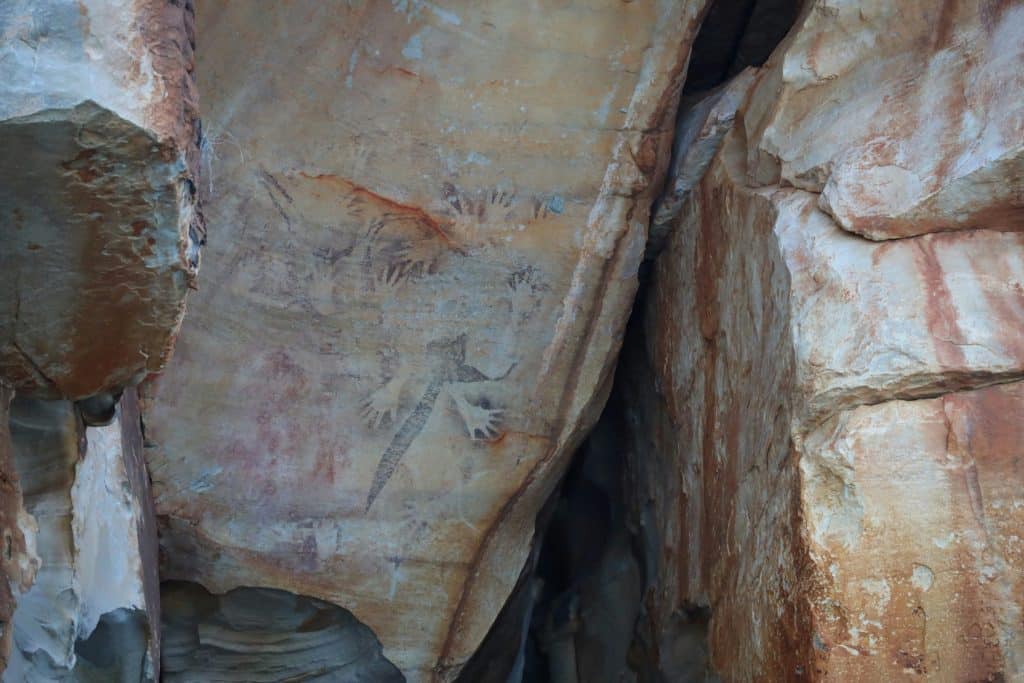
The significance of Indigenous architecture, in this moment, isn’t ornamental. It’s the recognition that buildings sit on Country with a 60,000-year design history that pre-dates the discipline as we currently teach it, and that ignoring that history produces buildings that are technically competent but culturally illiterate.
ESD leads have been navigating this shift longer than most: the same lens that asks “what does this material do to the planet?” now asks “what does this specification do for the people whose Country we’re building on?”
The shift is permanent. The frameworks are still maturing, but the direction is settled.
Why DuraCube and Why Now
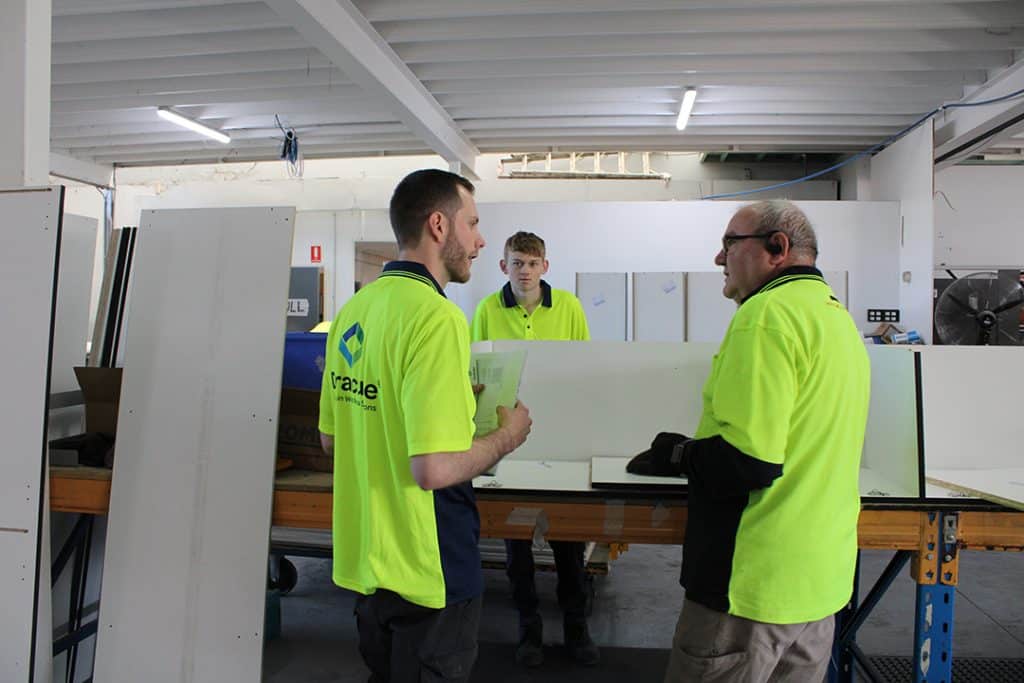
DuraCube has spent decades engineering high-performance washroom, locker and fitout systems for public, education and commercial projects.
Our products have been used in schools, universities, hospitals, sporting facilities and civil infrastructure – buildings that sit on Country, often carry a social procurement obligation, and almost always lack a credible pathway to meet that obligation at the finishes level.
That gap is what made this range feel overdue rather than opportunistic. We had two choices: keep selling materials that were culturally silent into projects that increasingly demand cultural depth, or build a range that lets specifiers carry meaningful Indigenous representation through the parts of the project they actually control.
We chose the second.
The “why now” is straightforward. Specifiers and commercial builders are being asked, today, to demonstrate Indigenous participation in their projects. If the products on their schedule can’t carry that demonstration, the obligation falls on project stakeholders to construct it through other means, usually a tacked-on artwork commission or a one-off signage piece. That approach is fragile, expensive per outcome, and increasingly unconvincing to the panels reviewing it.
A range that builds Indigenous authorship and community benefit into the line item itself is a more durable answer.
Blaklash: Our Guide Through the Process
We didn’t build this range and then ask Blaklash to approve it. Blaklash led the design.
Blaklash is a 100% Aboriginal-owned and operated design consultancy specialisingin bringing First Nations perspectives to the built environment. |
Working under Blaklash’s guidance changed how we here at DuraCube approached the project at every level. The patterns are not “inspired by” Country; they are direct translations of specific cultural truths, with each design anchored to a narrative that Blaklash authored.
We curated the colour palettes to align with the existing DuraCube standard range while preserving the cultural reading. The legal architecture, Indigenous Cultural and Intellectual Property (ICIP) protections governing every reproduction, was set up before the first sample left the factory.
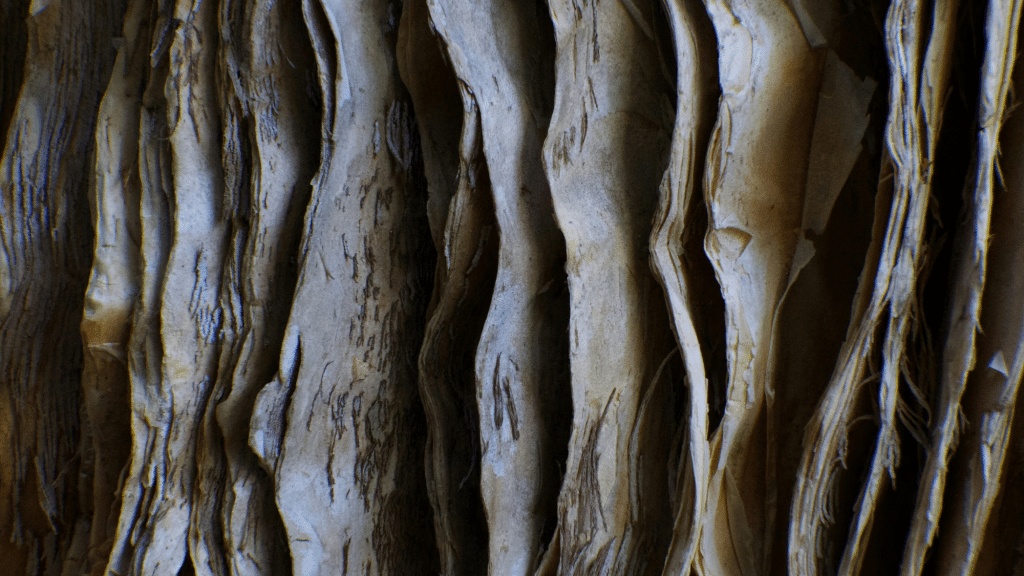
The patterns sit within the overarching concept of Living Histories. The first collection Shifting Landscapes, explores the constant evolution of Country through the three patterns: Erosion, Regrowth and Seasonal Winds.
Shifting Landscapes
First Nations peoples hold a profound understanding of seasonal change, with each season marked by signs in Land, Water, and Sky Country. These natural indicators guide practices such as hunting, gathering, ceremony, and cultural burning, varying across regions to reflect diverse landscapes and ecosystems. These rhythms are imprinted in the fabric of these landscapes marking the passage of time.



Two further collections, Tracks & Navigation and Cultural Practice, will follow this collection under the Living Histories overarching concept. Each range contains its own creative narrative and Blaklash design language.
Clontarf Foundation: Specification as Community Investment
15% of every specification of the First Nations range contributes directly to First Nations Organisations .
The Clontarf Foundation supports the education, discipline, life skills, self-esteem and employment prospects of young Aboriginal and Torres Strait Islander men. The model is place-based: 162 school-based academies across six states and territories, supporting around 12,000 young men every day through a structured program of sport, mentoring, long-term relationships and experiential learning that improves educational outcomes and supports transitions into employment.
The partnership is structural, not discretionary. Specifiers don’t need to ask for it, opt in to it, or build it into a separate line item; it happens automatically with every order. Which means for procurement teams, the First Nations range produces:
- A measurable, auditable contribution to a recognised Indigenous-focused organisation per project.
- Indigenous business participation through the Blaklash design authorship.
- An ICIP-protected cultural representation that satisfies “meaningful representation” criteria in frameworks that have moved past surface symbolism.
- Documentation, narrative, attribution and benefit-sharing, that survives the construction phase and lands in the post-occupancy report.
This is what we mean when we say the First Nations range bridges the gap between government-mandated participation and the day-to-day realities of writing a finishes schedule.
The Reality of "Why Now"
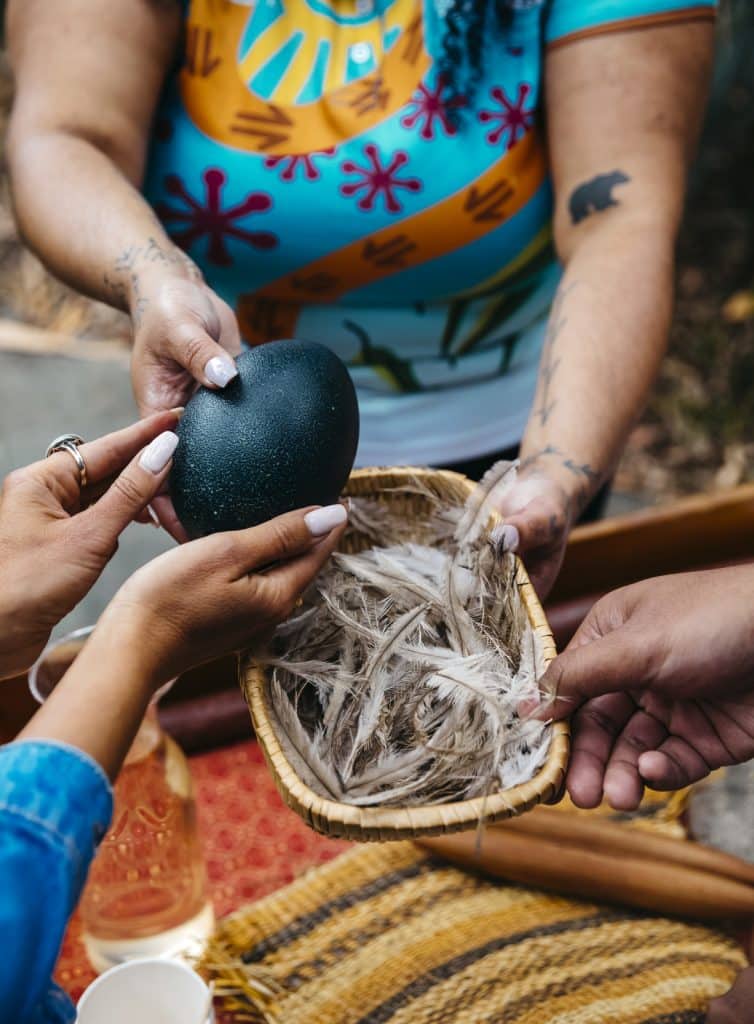
There is a version of this conversation that frames Indigenous design as a “trend” the industry will move through. We don’t interpret it that way, and the procurement architecture indicates it isn’t.
Frameworks compound. The NSW Connecting with Country draft is being referenced well outside NSW. The Victorian Social Procurement Framework has spawned imitators in other states. The Commonwealth IPP is being tightened, not loosened. Universities, hospitals and local councils are writing Indigenous participation into RAPs and procurement policies that bind their projects for years.
For specifiers, the practical effect is that the cost of not having a credible Indigenous design pathway in your material library will rise. The work doesn’t get easier when it becomes mandatory.
The DuraCube x Blaklash First Nations range, anchored by its commercial partnership with the Clontarf Foundation, is intentionally designed as a clear and enduring pathway. Blaklash leads the cultural work. Clontarf receives a real share of the economic outcome. DuraCube does what we’ve always done: engineering, manufacturing and supply at the technical standard public projects require.
That’s what “why now” looks like at our end of the build.
Explore the First Nations Range
The full Shifting Landscapes collection, pattern stories, colour palettes, application renders, ICIP notice and Clontarf Foundation benefit-sharing detail, is documented in the DuraCube x Blaklash E-Lookbook.
Download the First Nations Range E-Lookbook →
Explore the full palette and request samples at the DuraCube First Nations Range page